
How Residential Electric Contractors in Wichita, KS Install EV Chargers at Home
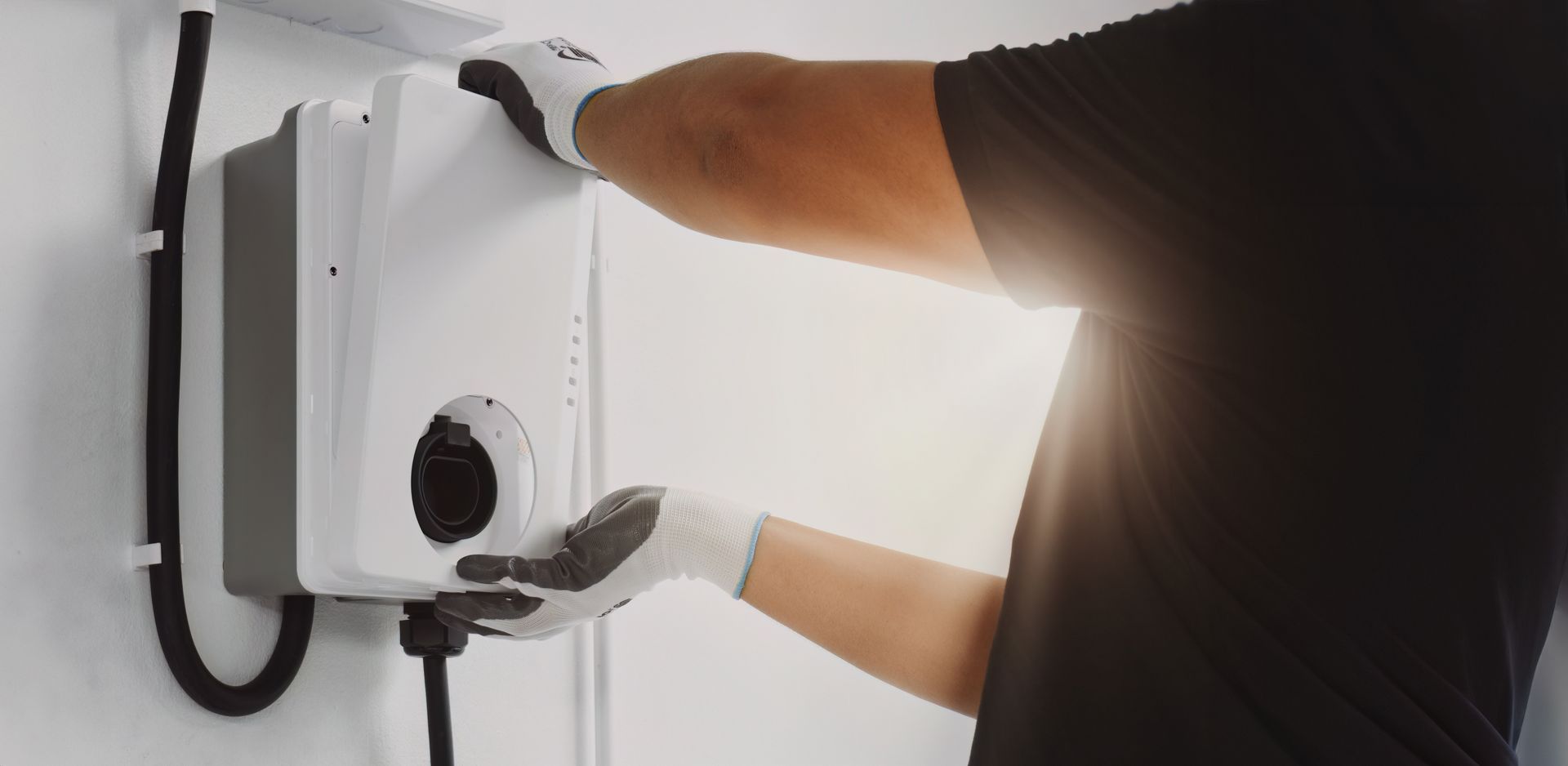
This guide explains how residential electric contractors in Wichita, KS, install electric vehicle (EV) chargers at home, and why each step matters for safety. A charger pulls a lot of power for hours at a time. A careful install protects your car, your panel, and your family.
What Residential Electric Contractors Check Before Installing a Charger
A good install starts with a plan, not with a charger. Before any work begins, a licensed electrician looks at how your home uses power today. This is often called a load check. It shows whether your system has room for a new charger or needs help first.
An electrician will usually look at:
- The size and age of your electrical panel.
- The open breaker spaces inside that panel.
- How much power your home already uses at busy times.
- The distance from the panel to the spot where the charger will go.
- The type of charger you plan to buy.
Older homes may have panels that were built for fewer appliances. An aging breaker box is a common hidden hazard in Wichita homes. A new charger can add stress to a panel that is already working hard.
Does Your Home Need a Panel Upgrade for an EV Charger?
Sometimes it does, and the load check is how you find out. If your panel is full, outdated, or overloaded, a charger may not fit safely. In that case, an electrician may suggest a panel upgrade first.
Warning signs that your panel is struggling include:
- Breakers that trip often or will not reset.
- Lights that flicker or dim when large appliances run.
- A panel that feels warm to the touch.
- A fuse box instead of a breaker panel.
If you notice these signs, learn more about electrical panel upgrade services in Wichita before you buy a charger. Fixing the panel first can save you from doing the job twice.
How Residential Electric Contractors in Wichita, KS Add a Dedicated Circuit
Many home chargers are installed on their own dedicated circuit. A dedicated circuit means the charger does not share power with lights, outlets, or other appliances. This helps prevent overloads and tripped breakers.
The steps often look like this:
1. The electrician confirms where the charger will go and how the wire will run.
2. A new breaker is added to the panel, if the panel has room.
3. Wiring is run from the panel to the charger location.
4. The charger is mounted and connected.
5. The system is tested before you use it.
Garages and outbuildings can need extra planning. The distance from the panel and the route the wire must take can change the scope of the job. A detached garage, for example, may call for underground wiring.
Why Permits and Inspections Matter
Permits help make sure your charger is installed to local code. Many electrical installs need a permit, and an inspection often follows. The rules can vary by project, so ask your electrician what applies to your home.
A licensed contractor typically handles the permit paperwork for you. The inspection checks that the work meets code and safety standards. Paperwork from the finished job can also help later with insurance questions or when you sell your home.
Skipping a permit might seem like a way to save time. It can lead to problems with safety, insurance, and resale, so it is rarely worth the risk.
How Long Does EV Charger Installation Take?
The timeline depends on your home, your panel, and the permit process. A simple install with room in the panel may move quickly. A job that needs a panel upgrade, a long wire run, or extra permits usually takes more time.
Ask for a written timeline with your estimate. Good residential electric contractors in Wichita, KS, will explain what could slow the job down before work starts. That way you know what to expect and can plan around it.
What to Prepare Before Your Electrician Visits
A little preparation helps your electrician give you an accurate plan. Gather these items before the visit:
- The make and model of your vehicle and the charger you want.
- A clear photo of your electrical panel and its label.
- The spot in your garage or driveway where you want the charger.
- A list of any past electrical problems in your home.
Having this information ready can shorten the visit and help the electrician spot issues early.
Can I Install an EV Charger Myself?
Hiring a licensed electrician is the safer choice. Charger circuits carry high power for long periods, and mistakes can cause overheating. A licensed contractor also handles permits and inspections.
Can a Charger Be Installed in a Detached Garage?
Often, yes, but it may take extra wiring and planning. The electrician will check the distance from your panel and decide how to run the wire safely.
What Happens After the Charger Is Installed?
The electrician tests the system and shows you how it works. If an inspection is required, it is typically scheduled after the work is finished.
Frequently Asked Questions About Home EV Charger Installation
Get Your Home Ready for an EV Charger
A safe charger install starts with a licensed electrician and a clear plan. ElectriCraft, Inc. has served Wichita homes since 1984. The team installs electric vehicle charging stations as part of its residential work and backs that work with a one-year warranty.
If you are comparing residential electric contractors in Wichita, KS, ask each one about load checks, permits, and warranties. Call
(316) 264-3359 or
contact the team to request a free quote and schedule a panel assessment.




